Province Releases Third Annual Human Rights Remedy Progress Report

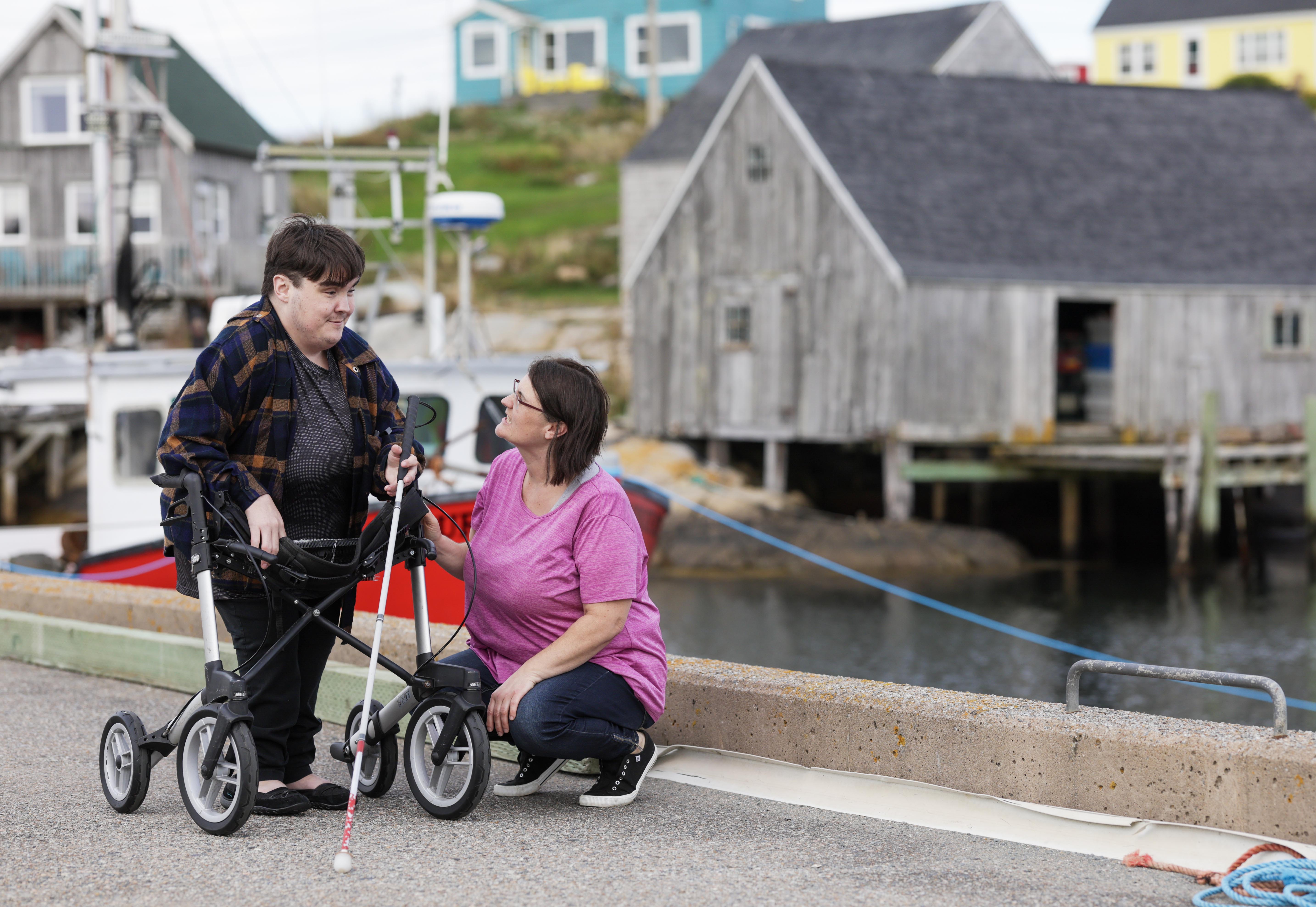
The Province has completed its third annual progress report on the Nova Scotia Human Rights Remedy, affecting people with disabilities. (Province of Nova Scotia / File)
More Nova Scotians with disabilities are being supported to make their own decisions about how and where they live and building relationships and routines in their communities as the Nova Scotia Human Rights Remedy moves into its fourth year.
This progress on moving people out of institutions and into the community is among the highlights in the Province’s third annual report detailing work on the remedy. The report outlines improvements across all Year 3 targets, marking a transition from the design of a better disability support program to tangible, positive impact in people’s everyday lives.
“Year 3 represents a turning point in this work,” said Susan Corkum-Greek, Minister of Opportunities and Social Development. “We are seeing the impact of this transformation not just in policy, but in real, meaningful changes in people’s lives – from moving into their own homes to making everyday choices with greater independence. As we move further into implementation, our focus is on supporting more Nova Scotians to plan, transition and build meaningful lives in their communities.”
In the third year, the government:
- reduced the number of people living in institutions by 301 (35 per cent over the baseline set in January 2023), with 65 per cent of individuals either living in community or engaged in the planning needed to make that transition
- closed the Harbour Glen residential care facility and supported all former residents to move into community living arrangements with individualized supports
- implemented a formal policy of no new admissions at group homes and developmental residences, effective January 2026
- launched HomeShare, a new supported living option focused on home, relationships and community belonging
- increased access to individualized funding by 35 per cent (998 more participants)
- started using a new provincewide planning system, including local area co-ordination and intensive planning and support co-ordination
- established regional multidisciplinary disability support outreach teams, connecting people to allied health supports
- invested more than $2 million through the Service Evolution Fund to support 48 service provider-led transformation projects
- supported 101 students through the School Leavers Program, helping young people with disabilities transition from high school to community-based adult life
- expanded crisis prevention and community response supports.
Year 3 also saw people with disabilities and their families have more of a role in shaping program design, training, evaluation and system improvement.
The report was submitted June 1 to the Disability Rights Coalition of Nova Scotia, the Nova Scotia Human Rights Commission and the expert monitor, social policy professor Michael Prince, who will respond within 60 days.
Quick Facts:
- in response to a finding of systemic discrimination, the Disability Rights Coalition and the Province of Nova Scotia jointly selected and engaged external experts Eddie Bartnik and Tim Stainton in 2022 to prepare a technical report recommending a remedy to address the systemic discrimination
- the ultimate legally required outcome is to end the systemic discrimination in how the Province supports people with disabilities by the end of March 2028
- Mr. Prince, a professor of social policy at the University of British Columbia, is a Canadian expert in disability issues and social discrimination and was appointed jointly by the Province, the Disability Rights Coalition and the Nova Scotia Human Rights Commission
Additional Resources:
Disability support transformation progress and updates: https://www.dsp-transformation.ca/
Nova Scotia Human Rights Commission – Remedy in Disability Rights Coalition vs. Province of Nova Scotia: https://humanrights.novascotia.ca/remedy
News releases related to the Nova Scotia Human Rights Remedy: https://news.novascotia.ca/search/all?field_topics=339